UEFA Champions League: The Ultimate Guide To The Prestigious European Football Competition - The UEFA Champions League has become a symbol of excellence and competition in the world of football. Since its inception, it has captured the hearts of millions of fans around the globe. This prestigious tournament showcases the best football teams in Europe, competing for glory and the coveted title. In this article, we will explore everything you need to know about the UEFA Champions League, from its history to its current format and future prospects. The UEFA Champions League traces its roots back to the European Cup, which was first held in 1955. Initially conceived as a competition for the top clubs in Europe, the tournament quickly gained popularity. The format and name evolved over the years, and in 1992, the competition was rebranded as the UEFA Champions League to reflect its growing stature.
The UEFA Champions League has become a symbol of excellence and competition in the world of football. Since its inception, it has captured the hearts of millions of fans around the globe. This prestigious tournament showcases the best football teams in Europe, competing for glory and the coveted title. In this article, we will explore everything you need to know about the UEFA Champions League, from its history to its current format and future prospects.
We invite you to share your thoughts and experiences with the UEFA Champions League in the comments section below. Additionally, feel free to explore other articles on our website for more insights into the world of football. Together, let's celebrate the beauty of the game and the magic of the UEFA Champions League!
In the 1999 final, Manchester United staged a dramatic comeback against Bayern Munich, scoring two goals in stoppage time to win the trophy. Another unforgettable moment came in 2005, when Liverpool came back from 3-0 down against AC Milan in the final, eventually winning on penalties.
Once the group stage begins, 32 teams are divided into eight groups of four. Each team plays against the others in their group twice, home and away. The top two teams from each group advance to the knockout phase, which consists of a series of two-legged ties until the final, which is a single-match showdown.
These records highlight the tournament's competitive nature and the exceptional talent that graces its stages.
Moreover, the UEFA Champions League has a significant cultural impact, promoting values such as teamwork, fair play, and respect. The tournament's initiatives to support social causes and promote inclusivity further enhance its positive image.
Top-tier leagues such as England's Premier League, Spain's La Liga, and Germany's Bundesliga typically receive four spots in the tournament. Lower-ranked leagues may have fewer spots, and some teams may need to go through qualifying rounds to secure their place in the group stage.
Fan engagement is a crucial aspect of the UEFA Champions League's success. The tournament encourages interaction through social media platforms, official apps, and live events. Fans can participate in polls, share their opinions, and connect with fellow supporters from around the world.
The current format of the UEFA Champions League is designed to ensure fair competition and provide a balanced schedule for participating teams. Some of the key features include:
In conclusion, the UEFA Champions League is a cornerstone of modern football, representing the pinnacle of club competition in Europe. Its rich history, exciting format, and global appeal make it a must-watch event for fans worldwide. As we have explored in this article, the tournament's impact extends beyond the pitch, influencing the financial, cultural, and social aspects of the sport.
The UEFA Champions League has a diverse fan base, with supporters from all continents tuning in to watch the matches. The tournament's ability to unite fans from different cultures and backgrounds is one of its greatest strengths.
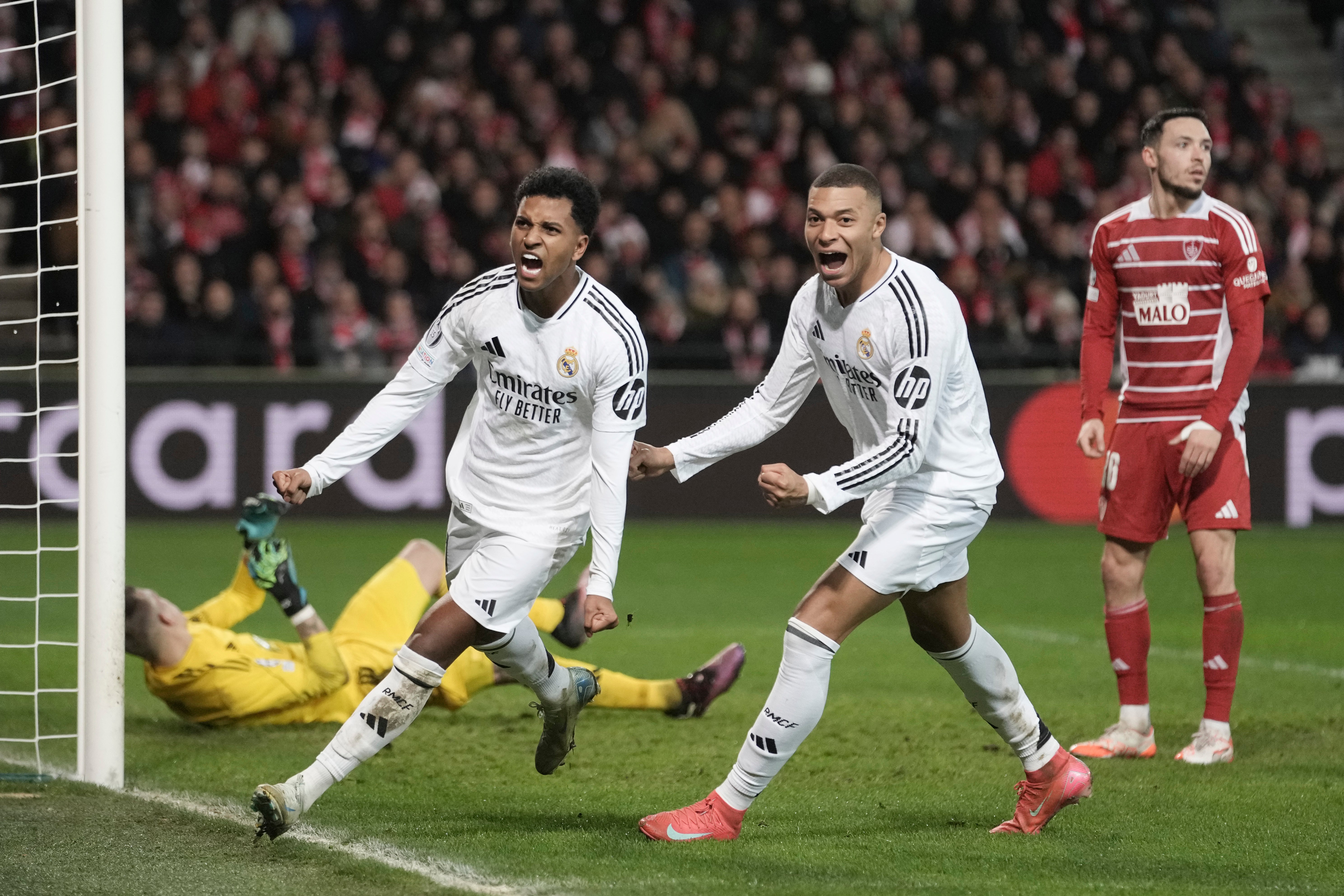
The UEFA Champions League enjoys a massive global audience, with matches broadcast in over 200 countries and territories. The tournament's popularity has led to lucrative broadcasting deals, ensuring its financial sustainability and growth. Fans around the world can enjoy live coverage of the matches, with commentators and analysts providing expert insights.